

Thinking of buying a piano for the start of the school year ? Have you decided to fulfil your dream of learning to play and want the right instrument to get started ? Whatever your reasons, take time to research your options before buying a piano. Price, space, maintenance, sound and ease of moving it are just some of the factors to consider!
Whether you live in an apartment or a house, enjoy classical or popular music, are starting from scratch or returning to the piano, or take lessons at a conservatory or at home, different types of piano may suit you. Beyond these practical considerations, your connection with the instrument matters too. Above all, try it before you buy it.
What kind of beginner pianist are you?
Before comparing models or prices, take a moment to think about your needs. Beginners have different goals and constraints, and your future piano should fit your daily life.
Do you want to play for pleasure, accompany songs or pursue more structured study, perhaps at a conservatory or with a private teacher? Your answer will help you decide how much emphasis to place on the feel of the keys and sound quality.
Age can also matter. A child will have different needs from an adult beginner or a musician returning after several years away. The music you enjoy—classical, jazz or contemporary—may also influence which type of piano suits you best.
Think about how often you plan to practise. If you expect to play regularly and take piano lessons with a dedicated teacher, a comfortable instrument that you enjoy playing will help you stay motivated over time. If you will play only occasionally, you may be able to make some compromises.
Finally, consider the practical constraints of your surroundings:
- – available space;
- – neighbours;
- – whether you can play at any hour;
- – ease of moving the instrument.
These factors are sometimes overlooked, but they can determine which first piano is right for you.
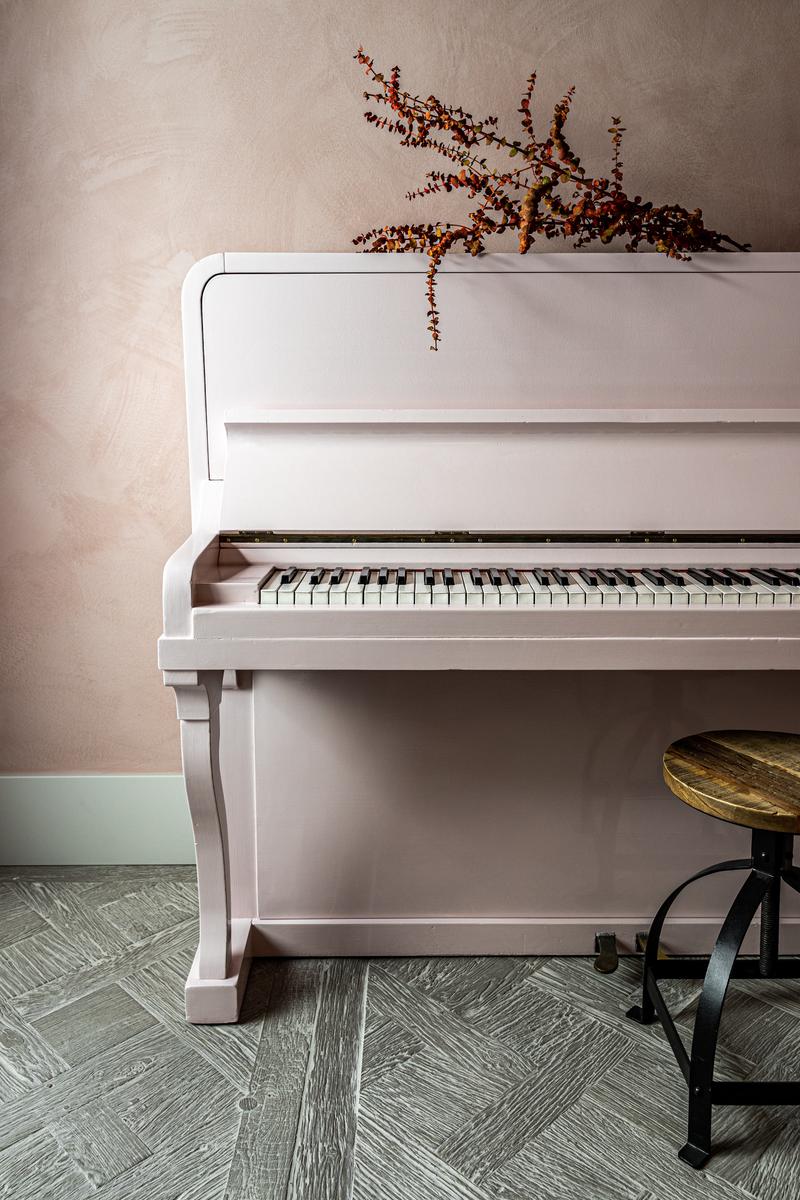
Understanding the different types of piano
With so many instruments available, it can be hard to know which type of piano to choose. Each category meets different needs. Understanding them will help you choose an instrument that suits you and your surroundings.
The acoustic piano: authentic sound and feel
For many musicians, the acoustic piano remains the standard. Whether upright or grand, it produces sound through hammers striking strings, giving it a rich tone and distinctive feel.
The upright piano is the most common choice for home use. Its responsive keys and sound can support serious progress. It does, however, require a substantial budget, dedicated space and regular maintenance, including tuning and humidity control.
A grand piano offers even greater performance, but its price and size generally put it beyond the reach of a beginner.
The digital piano: practical and versatile
Popular with beginners, the digital piano is an excellent alternative. It uses sampled sounds to reproduce an acoustic piano while offering several practical advantages.
Its main strength is flexibility. You can adjust the volume, play with headphones and use built-in learning features. It needs no tuning and fits easily into a smaller space.
Although entry-level models can sometimes lack subtlety, most modern digital pianos offer a feel and sound that are more than adequate for getting started.
The arranger keyboard: a playful approach
Often more compact and affordable, the arranger keyboard stands out for its many features: automatic accompaniments, rhythms and a variety of sounds. It can be especially motivating for beginners who want to play a range of pieces quickly.
Its keys are generally lighter and feel less like those of a traditional piano. It is therefore a good instrument for exploration or recreation, but has limitations for more traditional piano study.
Acoustic pianos with electronic features
Some manufacturers, including Yamaha, offer acoustic pianos with a system that lets you listen through headphones. You can enjoy a quality instrument with an authentic sound while retaining the option to practise late without disturbing your neighbours. Ask a specialist music shop about these models.
Key factors when choosing your first piano
Once you have identified the type of piano that suits you, you can narrow your choice using practical criteria. These technical details may seem secondary at first, but they have a major effect on your playing comfort and progress.

Number of keys: plan for progress
Keyboards do not all have the same number of keys. Some compact models have 61 or 76, but ideally you should choose an 88-key instrument, which has the full range of a traditional piano.
That range will let you explore the full repertoire as you progress without feeling restricted after several months of practice.
Key action: an often overlooked factor
Key action describes how the keys feel when you press them. It may be light, semi-weighted or weighted.
For serious study, weighted keys are strongly recommended because they feel closer to those of an acoustic piano. They will help you develop sound technique and control over dynamics from the start.
Sound quality: essential for enjoyment and motivation
Your instrument’s sound matters. A tone that sounds too artificial or lacks expression can quickly drain your motivation.
For a digital piano, pay attention to sample quality and polyphony—the number of notes it can sound at once. At least 64 to 128 notes of polyphony is generally recommended for comfortable playing.
Pedals: important from the beginning
Even beginners benefit from a sustain pedal. It lets notes ring together and adds depth to your playing.
Some models include a single pedal, while others offer a full pedal unit closer to that of an acoustic piano.
Features and connectivity: useful extras
Modern digital pianos often offer useful options:
- – USB or MIDI connectivity;
- – compatibility with learning apps;
- – recording;
- – accompaniments…
These features are not essential, but they can make practice more engaging, especially if you are learning on your own.
Size and appearance: finding a place at home
Consider the space you have. Your piano should fit into your home without getting in the way.
Some compact models and attractively designed console digital pianos fit easily into a living room or bedroom while remaining enjoyable to play every day.
How much should you budget for your first piano?
Budget is often decisive when choosing your first piano. You do not need to invest in a premium instrument immediately to make a good start. The aim is to balance quality, playing comfort and price.
For a first instrument, entry-level keyboards priced at around €200 to €400 may look appealing. They let you explore the instrument at a lower cost, but often have limitations in key feel and sound. They are better suited to occasional playing or an initial trial period.
With a budget of €400 to €800, you can find digital pianos better suited to serious beginner study. At this price, models with 88 weighted keys can offer a satisfying feel and sound.
Above €800, instruments generally offer more precise control, expression and comfort. These models are not essential for beginners, but may be a worthwhile investment if you are committed to progressing over the long term.
Acoustic pianos generally cost more. Expect to pay at least €1,500 to €3,000 for an entry-level upright, whether new or used. You will also need to budget for maintenance, particularly regular tuning.
Whatever your budget, favour an instrument that feels good to play over a feature-packed model with an unsatisfying key action. Even a simple, good-quality piano will be more motivating and encourage regular practice.